
Introduction:
In today’s competitive digital landscape, businesses can no longer rely on guesswork. Every successful brand decision—from launching a new product to improving SEO strategy—starts with accurate market research. Understanding your audience, competitors, and industry trends is the foundation of growth, profitability, and long-term success.
Market research methods help businesses collect, analyze, and interpret data so they can make informed decisions. Whether you’re a startup, an eCommerce brand, or a service-based company, applying the right research techniques allows you to reduce risk, optimize marketing campaigns, and identify real opportunities.
At Seohub, we integrate advanced market research into our SEO and digital marketing strategies to ensure our clients rank higher, convert better, and grow faster.
What Are Market Research Methods?
Market research methods are systematic techniques used to gather information about target customers, competitors, and the overall market. These methods help businesses understand:
- Customer needs and behavior
- Market demand and trends
- Competitive strengths and weaknesses
- Pricing expectations
- Brand perception
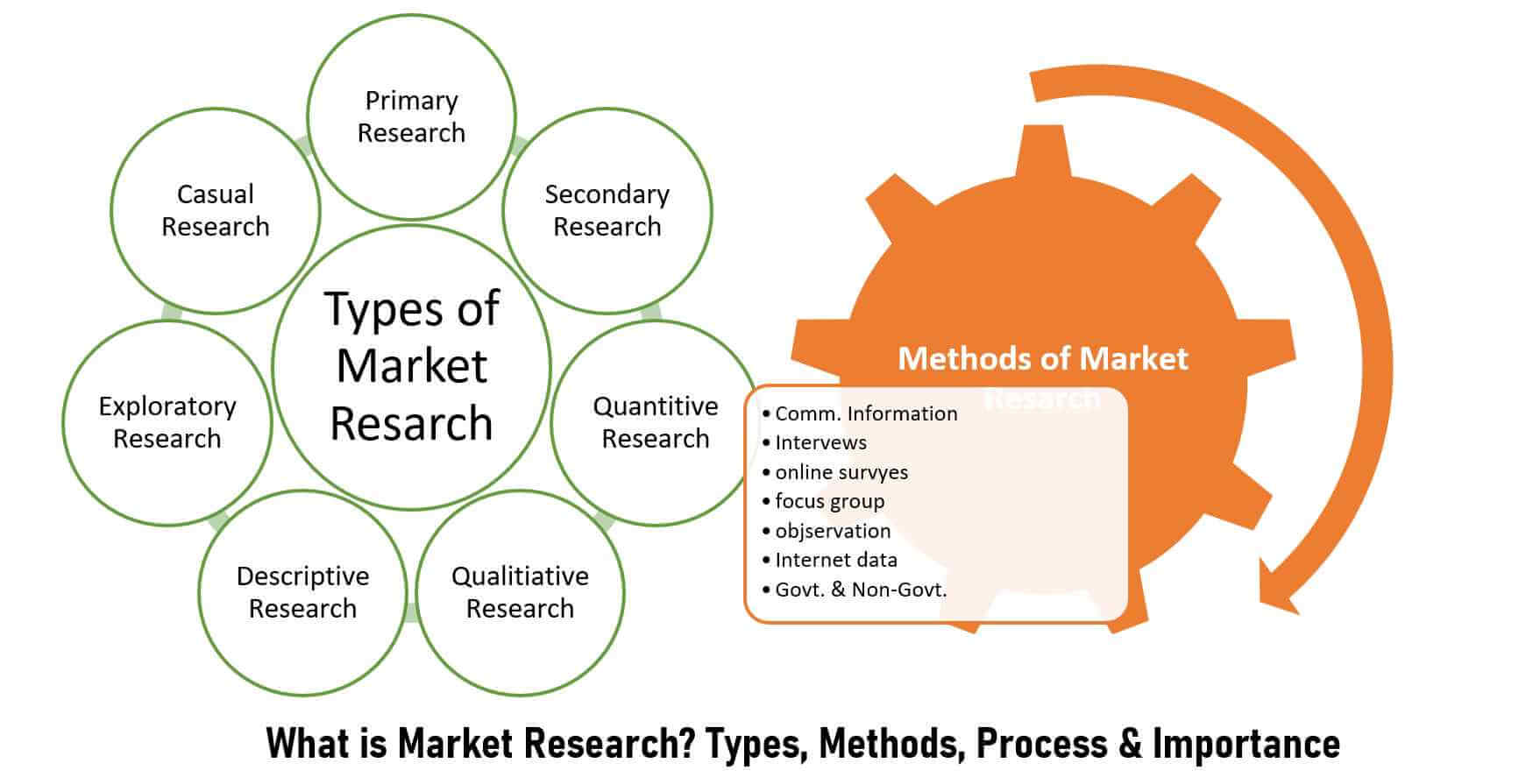
Market research is generally divided into two main categories:
- Primary Research
- Secondary Research
Both play a critical role in developing data-driven marketing and SEO strategies.
Primary Market Research Methods
Primary research involves collecting first-hand data directly from your audience. This data is original, specific, and highly relevant to your business goals.
1. Surveys and Questionnaires
Surveys are one of the most popular and cost-effective market research methods. They allow businesses to collect data from a large audience quickly.
Common survey formats include:
- Online surveys
- Email questionnaires
- Website pop-up surveys
- Social media polls
Advantages of surveys:
- Scalable and affordable
- Easy to analyze
- Great for customer feedback and satisfaction tracking
SEO Insight:
Survey data can help identify search intent, content gaps, and keyword opportunities based on real user responses.
2. Interviews
Interviews involve one-on-one conversations with customers, prospects, or industry experts. Unlike surveys, interviews provide in-depth qualitative insights.
Types of interviews:
- Structured interviews
- Semi-structured interviews
- Unstructured interviews
Benefits of interviews:
- Deep understanding of customer motivations
- Clarifies complex buying decisions
- Ideal for high-ticket or B2B markets
3. Focus Groups
Focus groups consist of small groups discussing a product, service, or concept under guided moderation.
Why focus groups are valuable:
- Reveal emotional reactions
- Identify objections and preferences
- Test branding, messaging, or product ideas
Best use cases:
- Product launches
- Website redesigns
- Brand positioning strategies
4. Observation-Based Research
This method involves observing customer behavior rather than asking direct questions.
Examples include:
- Website user behavior tracking
- Heatmaps and session recordings
- In-store behavior analysis
SEO and CRO Benefit:
Observation helps optimize website UX, page structure, and conversion paths—key ranking and engagement factors.
Secondary Market Research Methods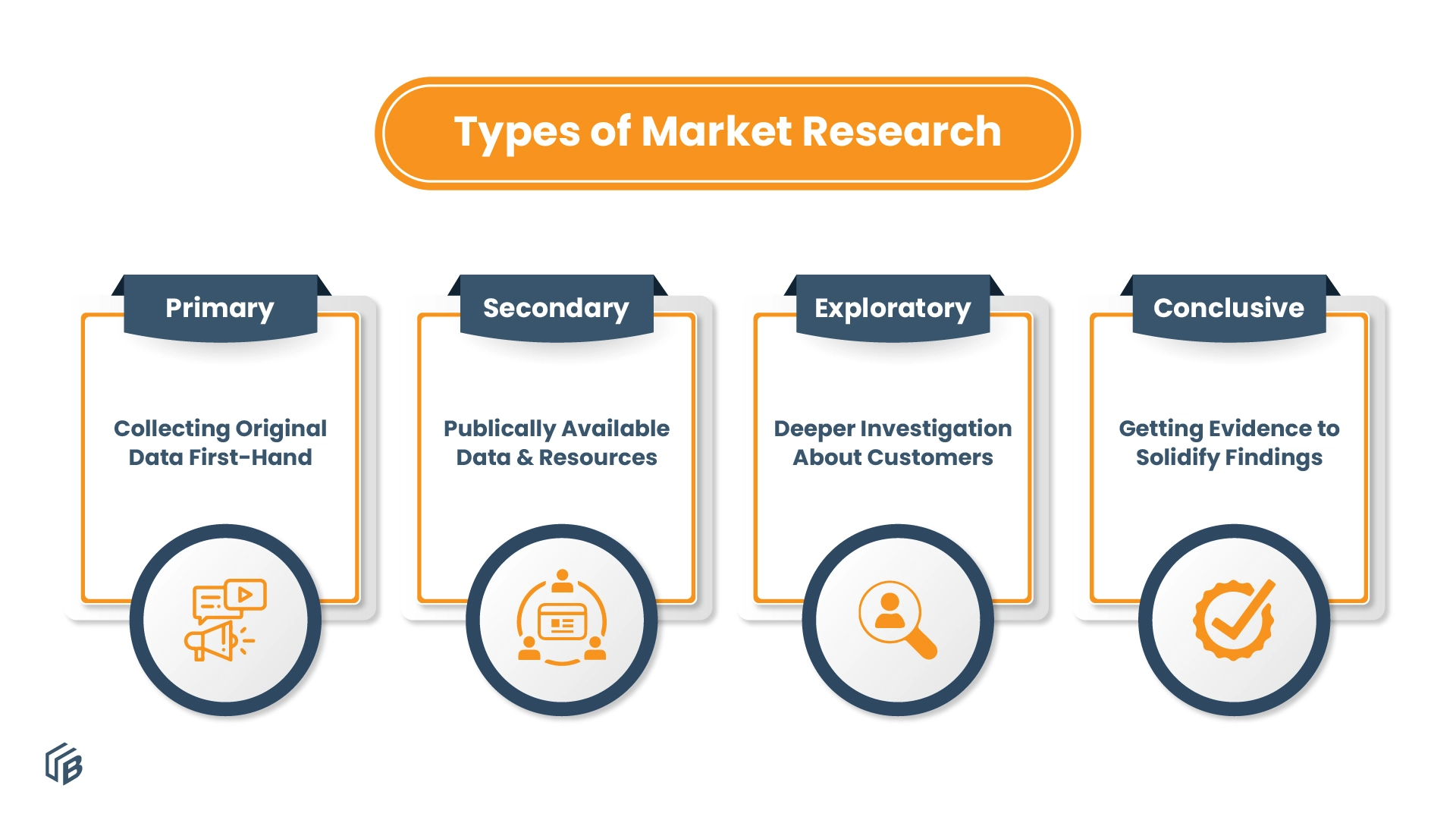
Secondary Market research methods involve analyzing existing data collected by others. This data is faster to access and often cost-effective.
1. Industry Reports and Market Studies
Industry reports provide insights into:
- Market size
- Growth trends
- Consumer behavior
- Competitive landscapes
Popular sources:
- Statista
- IBISWorld
- Gartner
- Government publications
2. Competitor Analysis
Competitor research is one of the most powerful market research methods for SEO and digital marketing.
Key competitor data points:
- Keywords they rank for
- Content strategy
- Backlink profiles
- Pricing models
- Value propositions
SEO Advantage:
By analyzing competitors, businesses can identify gaps and outrank them with optimized content and authority building.
3. Online Research and Public Data
Online research includes data from:
- Blogs and forums
- Customer reviews
- Social media discussions
- Google Trends
This method helps businesses understand real-world conversations and emerging trends.
4. Internal Data Analysis
Internal data is often overlooked but extremely valuable.
Examples include:
- Website analytics
- CRM data
- Sales reports
- Customer support queries
This data provides insights into existing customer behavior and performance bottlenecks.
Quantitative vs Qualitative Market Research
Understanding the difference between quantitative and qualitative research is crucial.
Quantitative Research
- Numerical data
- Large sample sizes
- Statistical analysis
- Measurable results
Examples:
- Surveys with ratings
- Website traffic data
- Conversion metrics
Qualitative Research
- Descriptive data
- Small sample sizes
- Opinion and perception-based
- Focused on “why”
Examples:
- Interviews
- Focus groups
- Open-ended survey responses
Best Strategy:
Successful businesses combine both methods to get a complete market view.
Digital Market Research Methods for Modern Businesses
With the rise of digital marketing, Market research methods have evolved significantly.
1. SEO and Keyword Research
Keyword research is a form of market research that reveals what users are actively searching for:
Benefits include:
- Understanding user intent
- Content planning
- Product validation
- Demand forecasting
At Seohub, keyword research is the backbone of every SEO campaign.
2. Social Media Listening
Social media platforms are goldmines of customer insights.
Social listening helps identify:
- Brand mentions
- Customer pain points
- Trending topics
- Competitor sentiment
3. Website Analytics and User Behavior
Tools like Google Analytics and Search Console provide data on:
- Traffic sources
- Bounce rates
- User flow
- Conversion paths
This data directly supports SEO, CRO, and content optimization.
Choosing the Right Market Research Method
Not all methods work for every business. The right approach depends on:
- Business goals
- Budget
- Target audience
- Timeline
- Industry type
Example:
- Startups: Surveys + competitor research
- eCommerce: User behavior + SEO research
- Service businesses: Interviews + keyword analysis
Common Mistakes in Market Research
Avoid these pitfalls to ensure accurate results:
- Asking biased questions
- Using small sample sizes
- Ignoring qualitative insights
- Relying on outdated data
- Failing to act on findings
Professional market research ensures reliable, actionable insights.
How Market Research Improves SEO Performance
Market research and SEO go hand in hand.
Benefits include:
- Better keyword targeting
- High-converting content creation
- Improved user experience
- Higher engagement metrics
- Stronger brand authority
When SEO strategies are built on real data, rankings and conversions naturally improve.
Why Businesses Trust Our Market Research-Driven SEO Services
At Seohubltd, we don’t rely on assumptions. Every SEO campaign starts with deep market and competitor research.
Our approach includes:
- Advanced keyword and intent analysis
- Competitor SEO benchmarking
- Audience behavior research
- Content gap identification
- Data-driven optimization strategies
This ensures sustainable rankings, qualified traffic, and measurable ROI.
Final Thoughts: Market Research Is the Key to Smart Growth
Market research methods empower businesses to make confident decisions backed by real data. Whether you’re improving SEO, launching a product, or entering a new market, the right research approach minimizes risk and maximizes success.
By combining primary and secondary research, leveraging digital tools, and aligning insights with SEO strategies, businesses can stay ahead of competitors and adapt to changing market demands.
If you want an SEO strategy built on real market intelligence, our expert team is here to help.