Digital PR: What It Is and How It Works

SeoHub Editorial
Content Strategy Team
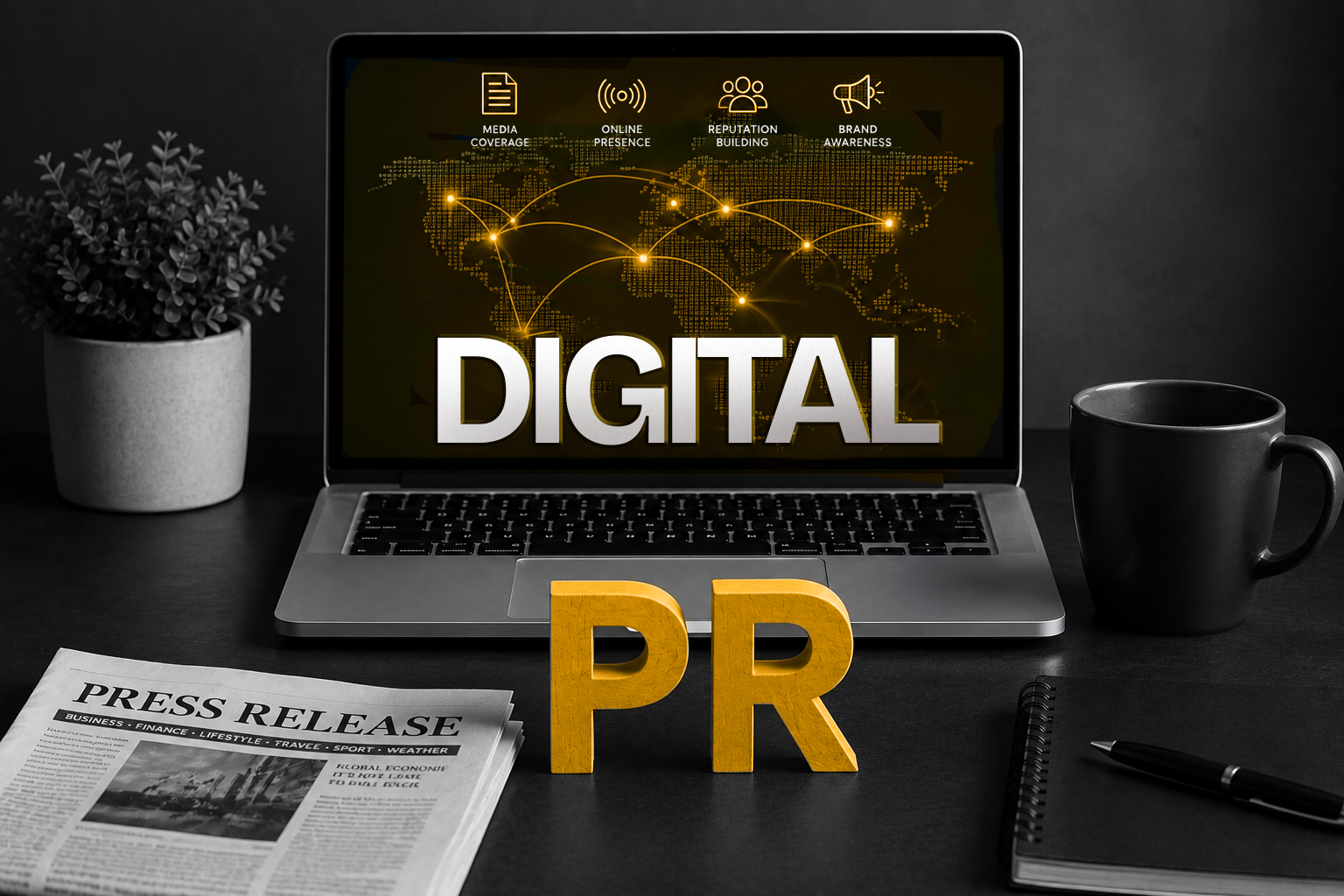
Digital PR is a modern approach to public relations that uses online channels to improve a brand's visibility, reputation, and credibility. It combines traditional PR principles with digital marketing, content creation, SEO, journalism, and online outreach.
Unlike traditional PR, which often focuses on newspapers, television, radio, and other offline media, Digital PR focuses primarily on websites, online publications, blogs, social platforms, and digital news outlets.
What Is Digital PR?
Digital PR is the process of gaining online exposure for a brand, business, person, or organization through valuable and newsworthy content.
A Digital PR campaign may result in:
- Online media coverage
- Brand mentions
- Editorial backlinks
- Expert citations
- Referral traffic
- Increased brand awareness
The main purpose is not simply to promote a business. Instead, Digital PR aims to give publishers and audiences something useful, interesting, or newsworthy to discuss.
How Does Digital PR Work?
A typical Digital PR campaign follows several steps.
First, a brand identifies a topic that is relevant to its industry and audience. The topic may be based on original research, industry trends, statistics, expert opinions, or a current event.
Next, the information is turned into a useful PR asset. This could be a research report, survey, study, infographic, expert commentary, or data analysis.
The campaign is then presented to relevant journalists, publishers, bloggers, and media outlets.
If the story is considered valuable or newsworthy, a publication may cover it and mention the brand or link to its original research.
Common Digital PR Techniques
There are several approaches commonly used in Digital PR.
Original Research
Businesses can conduct surveys, analyze data, or publish industry research. Original information can attract journalists looking for reliable statistics and new findings.
Expert Commentary
Professionals can provide opinions or explanations about topics related to their expertise. Journalists may use these comments in articles and attribute them to the expert.
Newsworthy Content
A company can create content around current trends, industry developments, seasonal topics, or emerging issues.
Data-Driven Stories
Interesting statistics can be turned into stories that are easier for publishers to understand and share.
Digital Publications
Online magazines, industry websites, news platforms, and specialized publications can provide opportunities for Digital PR coverage.
Digital PR and SEO
Digital PR is closely connected with SEO because successful PR campaigns can generate backlinks and brand mentions.
For example, if a technology publication references a company's original research and links to the research page, that link can provide referral traffic while also becoming part of the website's backlink profile.
However, SEO should not be the only reason for a Digital PR campaign.
A useful story can provide value through:
Media Coverage → Brand Awareness → Referral Traffic → Credibility
The SEO benefits can become an additional result of that exposure.
Why Quality Matters
Digital PR is not simply about getting mentioned by as many websites as possible.
The quality and relevance of the publication are important.
A mention from a respected publication that covers the same industry can be more useful than exposure on many unrelated websites.
A strong Digital PR campaign therefore focuses on:
- Relevant publications
- Useful information
- Original ideas
- Accurate data
- Genuine expertise
- Newsworthy stories
Digital PR vs Traditional PR
Traditional PR and Digital PR share the same basic goal: building public awareness and reputation.
The main difference is where the communication takes place.
Traditional PR may rely heavily on newspapers, magazines, television, radio, and offline events.
Digital PR uses online publications, websites, digital news platforms, social media, online communities, and other internet-based channels.
Digital PR also makes it easier to measure results through metrics such as website traffic, online mentions, backlinks, engagement, and search visibility.
Measuring Digital PR Results
The success of a Digital PR campaign can be measured using several indicators.
These may include:
- Number of media mentions
- Quality of publications
- Referral traffic
- Backlinks earned
- Brand searches
- Social engagement
- Audience reach
- Leads or conversions
The appropriate metrics depend on the main objective of the campaign.
For example, a brand awareness campaign may focus on reach and mentions, while an SEO-focused campaign may pay more attention to relevant editorial links and referral traffic.
Final Thoughts
Digital PR has become an important part of modern online marketing because it connects public relations, content, SEO, and journalism.
Instead of relying only on direct advertising, businesses can create useful research, expert insights, data, and stories that publishers have a genuine reason to share.
The most effective Digital PR campaigns are based on relevance, originality, credibility, and value.
In simple terms, Digital PR is about creating something worth talking about and getting it in front of the people who are interested in it.
